Blog Default

Home Blog Default

Leak Detection Due Diligence for Tallahassee Homebuyers Before Closing

Leak Detection

Don’t Close on a Hidden Plumbing Nightmare

Buying a home in Tallahassee is exciting, but hidden plumbing leaks can turn that happy move into a long, stressful mess. Many buyers move in, start settling, then find out there is a slab leak under the living room or a broken sewer line in the yard. Repairs like that can drag on, interrupt your life, and hit your budget hard.

That is why leak detection in Tallahassee needs to be part of your home-buying plan, not an afterthought. Our area has a mix of older homes, slab foundations, heavy summer rain, and hurricane season effects that can all hide trouble under the surface. In this article, we will walk through smart questions for home inspections, what to watch for in seller disclosures, and practical steps to protect yourself before you sign closing papers.

Why Tallahassee Homes Are Prone to Hidden Leaks

First, it helps to understand why plumbing problems can stay hidden in our local homes until they are big and expensive.

Many Tallahassee houses sit on slab-on-grade foundations. That means the pipes often run under concrete. When those pipes leak, the water can spread under the slab for a long time before you see any signs. By the time there is a warm spot on the floor or a high water bill, you might already have a major slab leak.

Our hot, humid climate and strong storm systems are hard on plumbing systems too. Heavy rain during hurricane season can shift soil and put pressure on underground pipes. Long-term humidity can be rough on older water heaters and drain lines.

The age and type of plumbing also matter. Many neighborhoods have.

  • Older copper pipes that can corrode  
  • Galvanized lines that can rust and restrict flow  
  • Polybutylene piping in some homes that has a history of failures  
  • Aging cast iron sewer lines under slabs or in yards  

So this is not just a concern for historic Midtown homes. Newer suburban builds with slab foundations, long driveways, and complex plumbing layouts can hide issues too. Even if the house looks fresh, it can still benefit from professional leak detection in Tallahassee, not just a quick visual check.

Watch for signs a property may be higher-risk, such as:

  • Past plumbing permits or frequent plumbing repair records  
  • Old water stains, musty odors, or areas of patchy drywall  
  • Uneven or settling floors and cracks in tile or walls  
  • Fluctuating water pressure or recurring slow drains  

Any of these should trigger more focused plumbing testing before you move forward.

Smarter Home Inspections with Leak Detection Questions

A standard home inspection is helpful, but it has limits. Most general home inspectors are not licensed plumbers, and many do not perform advanced leak detection or sewer camera work. They often focus on visible fixtures and basic function.

For higher-value homes or older properties, it is smart to budget for a separate plumbing inspection. That extra step can help you catch problems under the slab, behind walls, or out in the yard.

When you talk with your inspector, ask direct questions like:

  • Did you test water pressure at multiple fixtures, and did it change?  
  • Did you use a moisture meter near bathrooms, kitchens, and around cabinets?  
  • Did you inspect accessible supply lines, shut-off valves, and visible drain lines for corrosion or drips?  
  • Did you see any signs of past leaks, such as staining, swelling trim, or warped flooring?  

If the answers feel vague, or if the inspector points out anything concerning, that is your cue to call a Tallahassee plumbing specialist.

Times when you should bring in a plumbing company for targeted leak detection include:

  • Unexplained moisture spots or musty smells  
  • Uneven or soft flooring, especially near bathrooms  
  • Recurring toilet backups or gurgling sounds in drains  
  • Older cast iron or galvanized pipes noted in the inspection  

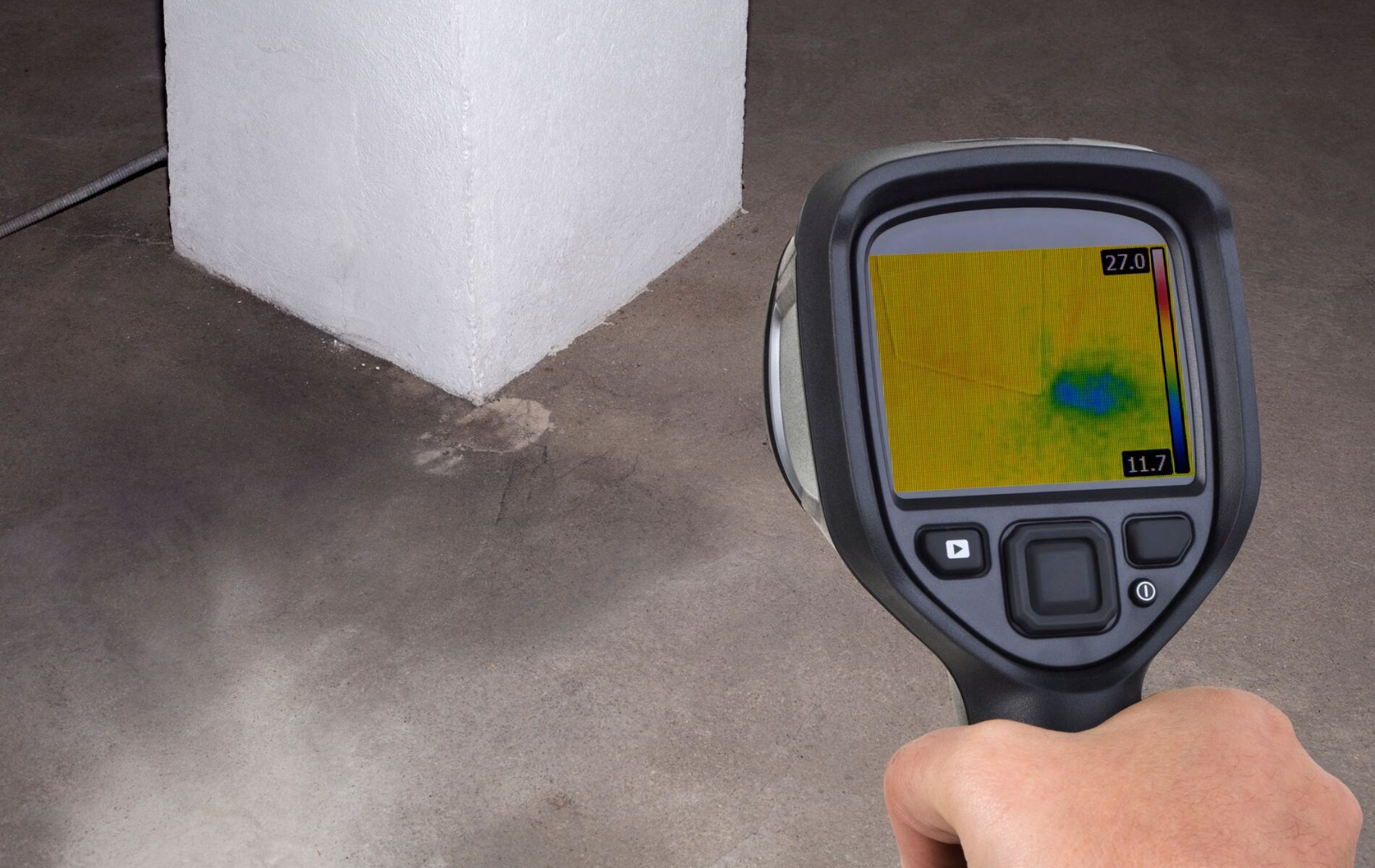
Professional plumbers use tools that general inspectors usually do not, like acoustic leak detection to listen for water under concrete, thermal imaging to spot hidden moisture, and camera inspections to check sewer lines. Those tools can uncover hidden leaks before you own the problem.

Reading Seller Disclosures for Hidden Water Damage

Seller disclosures can look simple, but they are one of your best tools to spot past water issues. Take your time reading sections that mention:

  • Prior water intrusion or flooding  
  • Mold or mildew remediation  
  • Foundation or slab repairs  
  • Any “repaired” plumbing issues  

Whenever you see a mention of past plumbing work, ask for backup paperwork. Invoices, warranties, and repair notes can show what was done, who did it, and whether the repair addressed the root cause or just the visible damage.

Red flags to watch for include:

  • Phrases like “minor leak repaired” with no detail  
  • “No known current leaks” even though you see fresh paint, patched drywall, or random new flooring in only one room  
  • Mentions of frequent drain clogs, slow drains, or sewer backups  

Frequent clogs or slow drains can point to root intrusion, sagging sewer lines, or broken underground pipes. These are hidden issues that deserve a closer look.

If disclosures raise questions, you can respond by:

  • Asking for a licensed plumbing evaluation focused on the listed problem area  
  • Requesting pressure testing of water lines and, if needed, slab leak detection  
  • Having a specialist inspect the main sewer line with a camera  

If that evaluation uncovers problems, talk with your agent about asking for repairs before closing, a credit at closing, or the option to cancel if the issues are more than you want to take on. Make sure any agreed plumbing repairs are done by a qualified plumber and properly documented.

Protecting Yourself with Pre-Closing Leak Safeguards

Your purchase contract is where you can really protect yourself from hidden leaks. Work with your real estate agent to:

  • Include inspection contingencies that give enough time for plumbing and leak detection  
  • Add language that requires the seller to fix any active or concealed leaks found by a licensed plumber before closing  
  • Make sure you can review repair receipts and any permits  

Then, think through which plumbing tests offer the most peace of mind for this specific property. Good options often include:

  • A whole-home plumbing inspection that checks fixtures, supply lines, shut-off valves, and drains  
  • Targeted slab leak checks for homes with cracks or signs of settlement  
  • Sewer line camera inspections if there is any history of backups  
  • Water heater and main line evaluation to review age, condition, and potential code issues  

In Tallahassee, timing matters. Many buyers close around the holiday season, right after months of heavy rain. That can be a good thing, because wet soil and recent storms can make drainage and seepage issues easier to spot. Getting leak detection done before the drier months can give you a clearer picture of how the home handles heavy weather and seasonal stress.

Partner with a Local Plumbing Pro Before You Sign

Local experience makes a big difference with leak detection in Tallahassee. A team that has worked here for decades understands our soil conditions, common pipe materials in different neighborhoods, and typical slab leak patterns under local homes. They know what tends to fail, where, and why.

Before you are locked into the purchase, use your inspection window to bring in a Tallahassee-based plumber. Ask for:

  • A focused plumbing and leak detection review of the property  
  • Clear notes on any active leaks or high-risk piping  
  • Written recommendations you can share with your real estate agent  

That information gives you real power during negotiations and helps you decide if this home fits your long-term plans.

By treating leak detection as part of normal due diligence, you protect yourself from surprise repairs, insurance headaches, and major disruptions right after move-in. A little extra care before closing can let you enjoy your new Tallahassee home with confidence that what is under the floors and behind the walls is as solid as the rest of your deal.

Protect Your Home With Expert Leak Detection Today

If you suspect a hidden leak, our team at McNeill Plumbing SEO is ready to help you pinpoint the problem quickly and accurately. Schedule professional leak detection in Tallahassee so we can identify issues before they turn into costly water damage. We use advanced tools and proven methods to locate slab leaks and other hidden plumbing problems with minimal disruption to your home. Reach out today and let us restore your peace of mind with reliable solutions tailored to your property.

Hidden Water Waste in Tallahassee: Detect Toilet, Irrigation, and Softener Leaks

Water Waste

Stop Invisible Water Waste Before It Soaks Your Wallet

A surprise spike on a water bill can feel confusing. Indoor habits seem the same, no drippy faucets, no wet floors, yet the number on that bill keeps climbing. Around late fall in Tallahassee, many homeowners finally notice something is off.

Often, the problem is not inside where you can see it. Toilets can leak straight into the bowl, irrigation lines can leak into the ground, and water softeners can send water right down a drain. Nothing shows on your floors or walls, but your meter never gets a break.

Late fall is actually a smart time to track this. Irrigation usually runs less, AC is not working quite as hard, and people are home more around the holidays. That makes odd water use easier to spot. With more than 30 years of local plumbing experience in Tallahassee, we know how to tell the difference between normal seasonal changes and the hidden leaks that quietly push your bill higher.

Why Fall Is Prime Time for Finding Hidden Leaks

In Tallahassee, water use during the warm months can hide a lot of waste. When sprinklers, pools, and outdoor hoses are going often, a slow leak blends into the background.

During the long summer, many homes use extra water for:

  • Lawn and landscape irrigation  
  • Filling or topping off pools  
  • Washing cars, boats, or outdoor gear  
  • Outdoor showers or hoses for pets and plants  

By late November, those demands usually slow down. When outdoor use drops, it gets easier to spot a leak because your base usage should fall too. If the bill stays high even as you use less outside, something is likely running when it should not.

Holiday plans also affect your water use. More guests in the house means:

  • Extra laundry  
  • More dishes and cooking  
  • More showers and toilet flushes  

That will raise your bill, but the pattern should match the days people are actually home. If your bill is high during a time you were away, or if it jumps again the next month when life is back to normal, it is smart to start checking for leaks.

Local soil and climate matter too. Our sandy North Florida ground can soak up irrigation leaks with no big puddles on the surface. Mild winters mean irrigation systems and water softeners often stay on all year. That gives hidden leaks more time to run without being noticed.

One simple habit can help: read your meter a few times over a week in late fall. If numbers climb overnight or while everyone is gone for the day, you may have water going somewhere it should not.

Silent Toilet Leaks That Drain Money, Not Floors

Toilets are one of the most common sources of hidden water waste. Most of the time, they do not flood the floor. They just send water straight into the bowl, then out to the sewer.

Typical hidden toilet problems include:

  • Worn or warped flappers that no longer seal  
  • Fill valves that never quite shut off  
  • Handles that stick and keep the flapper open  
  • Slow tank to bowl seepage that never makes a sound  

These leaks often stay quiet. Sometimes you might notice a quick refill or a soft hiss, but many toilets will perform what people call a ghost flush. The tank partly empties from a slow leak, then refills on its own, over and over.

There is a simple at-home check many people try on their own toilets. One common method uses food coloring:

  • Take the lid off the tank  
  • Put a few drops of coloring in the tank, not the bowl  
  • Wait 15 to 20 minutes without flushing  

If the bowl water turns the same color, water is slipping past the flapper. Listening at night when the house is quiet can also help. Any toilet that refills when no one is using it needs attention.

When a home has several toilets, older fixtures, or high city water pressure, problems can stack up. Small leaks in each toilet can add up to a big jump in use. In those cases, having a local plumber test parts, check pressure, and inspect all the fixtures helps track down the full cause.

Irrigation Leaks That Vanish Into Tallahassee Soil

Outdoor irrigation problems are another big source of hidden water use. Since these systems run outside, leaks usually do not show indoors at all.

Common trouble spots include:

  • Cracked or broken underground lines  
  • Leaky valves that never fully close  
  • Broken, tilted, or sunken sprinkler heads  
  • Rotors that stick and spray in the wrong direction  

Storms, yard projects, shovels, and vehicles rolling over buried lines can all damage irrigation pipes and fittings. The sandy soil around Tallahassee often soaks up that excess water quickly. Instead of a pond, you just see a patch of greener grass or a soft area that always feels damp.

Outdoor signs that match indoor bill surprises can include:

  • Grass that is much greener in one strip or circle  
  • Soft or spongy spots that squish when you step  
  • Algae or mildew on driveways or sidewalks  
  • Water trickling along the curb even when timers are off  

One useful step is to run each irrigation zone on manual for a short time. Walk the yard while it runs and look for bubbling around heads, misting that blows away, or water pooling in low spots.

Your meter can help with irrigation leak detection in Tallahassee. With all indoor fixtures off and the controller turned off, check if the meter’s small flow indicator is still moving. If it is, turn the irrigation shutoff or backflow valve off, then check again. If the movement stops, the leak is likely in the irrigation supply or lines, not inside the house.

Water Softener and Filter Leaks You Never See Inside

Water softeners and filters can also waste water in quiet ways. During normal operation, a softener goes through a regeneration cycle, where water is flushed through the system and sent to a drain. Filters can have backwash cycles too.

When valves stick or settings are off, the system may:

  • Regenerate far more often than needed  
  • Run water to the drain line almost nonstop  
  • Send a small but constant stream of water outside  

Because these systems often sit in garages, utility rooms, or outside, you might not see any standing water. The drain line may run straight outside or into a floor drain, so the only sign is a meter that never seems to rest.

Clues that your softener could be wasting water include:

  • Salt disappearing much faster than it used to  
  • A damp area or white residue near the brine tank or drain  
  • A steady hissing sound from the valve head  

Water that feels extra slippery or very different from normal can also point to a programming issue, not just stronger softening. Before changing anything, it helps to write down the current time, hardness setting, and regeneration schedule on the control head. A plumber can then look at the plumbing, the softener, and any filter equipment together to see what is really going on.

Put a Stop to Hidden Leaks with Local Expert Help

Hidden leaks are sneaky, but they often leave small signs any homeowner can watch for. A simple seasonal routine can make a big difference. At least once in the fall and again in spring, it helps to:

  • Read and record your water meter  
  • Check each toilet for silent refills or dye in the bowl  
  • Walk your yard while irrigation runs and after it shuts off  
  • Inspect around your softener or filter area for damp spots or sounds  

Keeping the last several water bills in a folder also helps. When you line them up side by side, you can see your normal seasonal pattern. A sudden jump that does not match holidays, guests, or weather is a strong hint something is leaking.

Sometimes, basic checks still leave questions. Multi-building properties, rental units, larger commercial spaces, or a meter that spins quickly with all visible water off often need professional leak detection in Tallahassee. With more than three decades serving local homes and businesses, McNeill Plumbing is familiar with how toilets, irrigation systems, and softeners behave in our area and how small, unseen problems can grow into big utility surprises.

Protect Your Home With Fast, Accurate Leak Detection Today

If you suspect a hidden water problem under your slab, our team at McNeill Plumbing SEO is ready to help you act before small leaks become major damage. Schedule professional leak detection in Tallahassee and let us pinpoint the source quickly using advanced tools and proven methods. We will explain what we find in clear terms and provide straightforward options so you can make confident decisions about your home. Reach out today so we can help you prevent costly repairs and protect your property.

Avoiding Costly Home Pipe Replacement After Slab Leaks

Pipe Replacement

Slab leaks can quietly damage your home long before you see water on the floor. When they are ignored, they can lead to serious plumbing problems, including full-home pipe replacement. In a warm, humid place like Tallahassee, a hidden leak under your slab can spread fast, damage your foundation, and invite mold into your living space.

In this article, we explain what slab leaks are, how to spot them early, and why quick action matters. We want you to understand how a small under-slab leak can grow into a major plumbing project, and what you can do right now to protect your home, your floors, and your peace of mind.

Stop Slab Leaks Before They Destroy Your Home

A lot of homeowners notice a small damp spot on the floor and decide to watch it instead of fixing it. At first, it may not seem like a big deal. But months later, that “small” leak can turn into cracked tile, musty air, and pipes that are failing across the house. By the time people call a plumber, they might be facing full-home pipe replacement instead of a simple repair.

A slab leak is a leak in the water lines that run under the concrete foundation of your home. The pipes are buried in the soil under the slab, so when one starts leaking, water has nowhere easy to go. It can spread sideways, soak into concrete, and slowly weaken the base of your house.

In Florida’s humid climate, this trapped moisture can:

  • Soften and warp wood floors  
  • Feed mold in carpet and walls  
  • Break down glue under tile and vinyl  
  • Add stress to your foundation over time  

By the time you see buckling flooring or smell mildew, the leak has usually been there for a while. With more than 30 years of working on plumbing in Tallahassee homes, we know how fast a slab leak can turn from a small problem into a huge one if it is ignored.

Hidden Signs Your Slab Leak Is Getting Worse

Slab leaks often start quietly. The earliest signs can be easy to brush off, especially in busy seasons around the holidays when people have guests, cooking, and laundry on their minds.

Subtle warning signs include:

  • A water bill that jumps higher than normal  
  • Warm or damp spots on floors, especially over concrete  
  • A faint hissing or whooshing sound when the house is quiet  
  • A water meter that keeps spinning when all fixtures are off  

As the leak grows, more obvious problems may show up:

  • Cracks in tile or the concrete slab  
  • Wood floors cupping or buckling  
  • Musty or mildew smells that do not go away with cleaning  
  • Indoor air that feels sticky or humid even when the AC is running  

Fall and early winter are smart times for Tallahassee homeowners to pay attention. Households often use more water for cooking, cleaning, and guests. Homes are closed up more for holiday gatherings, so smells and humidity are easier to notice. If you wait to act until you see standing water, you might miss the chance to fix a single leak before it harms the rest of the system.

How Slab Leaks Lead to Full Home Pipe Replacement

A slab leak usually starts as a tiny opening in a pipe, sometimes no bigger than a pinhole. But water under pressure is strong. Over time, that steady flow can wash soil away under the foundation. When the soil shifts, the slab can settle or move slightly, which puts extra stress on the pipes running through or under it.

Here is how it often progresses:

  • Small leak weakens soil  
  • Soil moves and leaves gaps under the slab  
  • Slab shifts, bending or pulling on nearby pipes  
  • More joints and sections start to crack and leak  

Older homes in Tallahassee may have galvanized or aging copper lines. These pipes can corrode from the inside, and local water conditions can speed that up. Once one area fails, the rest of the system may not be far behind.

At some point, patching leaks after leaks stops making sense. Full or partial home pipe replacement can become the safer choice when:

  • You have frequent leaks in different spots  
  • Pipes show widespread corrosion  
  • Water pressure is poor or unstable across the home  
  • Repairs keep failing in the same general area  

Repiping is a big project. It can affect walls, floors, and daily routines. Compared to that, catching and fixing a single slab leak early is far less disruptive.

Smart Steps to Prevent Slab Leaks From Spreading

You cannot see under your slab, but you can still watch for early clues and reduce stress on your plumbing. Simple habits at home can help you spot trouble before it grows.

Try to:

  • Check your water bill each month for sudden changes  
  • Glance at your water meter with all fixtures off to see if it moves  
  • Look closely at floors, baseboards, and lower walls during regular cleaning  
  • Pay attention to hot spots on the floor, especially near bathrooms and kitchens  

Professional leak detection can go much further. Plumbers may use acoustic listening tools to hear water moving where it should not, thermal imaging to spot warm lines under the slab, and pressure testing to find hidden breaks. Guessing the location and breaking into your floor on your own can cause more damage than the leak itself.

Before the holiday season picks up, it helps to:

  • Make sure your main shutoff valve works smoothly  
  • Have water pressure checked so lines are not under extra stress  
  • Have exposed plumbing reviewed so weak spots can be addressed  

Keeping water pressure in a healthy range, softening water when needed, and replacing failing sections in a planned way can extend the life of your plumbing and delay the need for full-home pipe replacement.

Emergency Moves When a Slab Leak Suddenly Appears

Sometimes, a slab leak makes itself known all at once. You might step on a hot, squishy spot on the floor, notice rapid cracking, or find water where it should not be. In that moment, quick action can protect your home.

If you suspect a sudden slab leak:

  • Turn off water at the main valve to stop the flow  
  • Unplug or move electronics and valuables away from damp areas  
  • Avoid walking on visibly damaged or sagging sections of flooring  
  • Contact a plumbing professional right away for help  

During an emergency visit, a plumber can work to locate the leak, test the pressure, and suggest temporary steps to limit further harm to your foundation and floors. Then they can guide you on long-term repairs that match the condition of your pipes.

In Tallahassee, heavy fall rains mixed with an under-slab leak can speed up soil washout under your home. Treating the situation like the emergency it is can limit how far the damage spreads and lower the odds that you will need a full-home pipe replacement later.

Protect Your Tallahassee Home Before Leaks Win

Slab leaks turn into major plumbing projects when they are ignored, not when they are found early. By paying attention to small signs, acting quickly on changes in your floors or water bill, and getting professional help when something feels off, you can protect both your pipes and your foundation.

We have spent decades working on Tallahassee homes, so we understand the local soil, common building styles, and how older neighborhood plumbing tends to age. With regular checks and prompt slab leak repairs, you can keep your plumbing system strong and lower the chance that you will ever need full-home pipe replacement.

Get Started With Your Project Today

If you are ready to protect your home with a reliable plumbing upgrade, our licensed team at McNeill Plumbing SEO is here to help. We will walk you through every step of your home pipe replacement, from inspection to final installation, so you know exactly what to expect. Reach out today so we can assess your system, provide clear recommendations, and schedule work at a time that fits your routine.

Leak Detection and Home Insurance in Tallahassee: Avoid Claim Denials

leak detection

Protect Your Tallahassee Home Before Leaks Wreck It

Water from a hidden plumbing leak can do serious damage long before you see a wet spot on the wall or floor. In Tallahassee, older homes, heavy rain, and high humidity can turn a small leak into a big headache for both your house and your home insurance.

Catching problems early with professional leak detection in Tallahassee does more than save drywall and flooring. It can also protect your ability to use your homeowners insurance the way you expect. Insurance companies often look closely at when a leak started, how fast you acted, and what proof you have.

In this article, we will walk you through how local weather makes leak damage worse, how leak detection ties into the fine print in your policy, what to document, how to handle claims, and how to avoid denials or reduced payouts. Our goal is to help you feel more prepared before the next leak, not just after it.

How Tallahassee Weather Makes Leak Damage Worse

Tallahassee weather can be tough on plumbing systems and building materials. Late summer and fall bring long rainstorms and busy storm patterns right as many families are back to school and getting ready for holidays.

All that rain and changing ground moisture can put extra pressure on:

  • Roofs and flashing  
  • Slab foundations and underground pipes  
  • Exterior walls and older plumbing lines  

When soil shifts or stays soaked, small cracks and weak joints can start to leak. You might not see water right away, but it can slowly seep into walls, under floors, or behind cabinets.

The heat and humidity here also speed up what happens after a leak starts. Damp areas can stay wet for a long time, which can lead to:

  • Faster mold growth behind walls and under flooring  
  • Rot in wood framing and subfloors  
  • Warped cabinets, baseboards, and trim  

Insurance companies often treat water damage from a sudden pipe burst differently than slow, long-term seepage. If they think a leak has been going on for a while and was not handled, they may call it a maintenance issue instead of covered damage. That is why timing and proof matter so much.

Leak Detection in Tallahassee and Your Policy Fine Print

Professional leak detection in Tallahassee can be the difference between a paid claim and a denial. When a licensed plumber pinpoints the cause, location, and likely timing of a leak, it gives your insurer real, solid details instead of guesswork.

Many homeowners policies handle water damage with rules such as:

  • Sudden and accidental pipe bursts are more likely to be covered  
  • Slow leaks and long-term seepage may be limited or excluded  
  • Homeowners are expected to fix known problems and do normal upkeep  
  • Mold coverage may have tight limits or special caps  

Insurance companies want to see clear proof that the damage came from a covered event, not from ignoring an ongoing issue. A local plumber can document what they find in writing, with:

  • Photos of damaged pipes, fittings, and materials  
  • Video from cameras in lines or drains, when used  
  • A simple written description of what failed and how it caused water damage  

That type of documentation connects the dots between the plumbing problem and what the insurance company sees in your claim.

Step-by-Step: Documenting a Leak for Insurance

When you first notice a leak, it is easy to panic. A simple step-by-step plan helps you protect both your home and your claim.

Here is what to do as soon as you spot trouble:

  • If water is flowing, shut off the main water valve or the nearest shut-off  
  • Take wide photos of each affected room  
  • Take close-up photos of wet spots, stains, and visible damage  
  • Record short videos walking through the area from different angles  

Next, write down key details while they are fresh in your mind:

  • Date and time you first noticed the leak  
  • Where you saw signs of water and which rooms are affected  
  • What materials are wet, such as carpet, tile, ceilings, or cabinets  
  • Any musty odors, visible mold, or peeling paint  
  • Steps you took to limit damage, such as moving furniture or setting out buckets  

When a plumber arrives, their written report becomes a major part of your file. Moisture readings, leak detection test results, and photos taken by a professional help support your version of events if the insurance company has questions later.

Filing a Strong Water Damage Claim in Tallahassee

Once you have stopped the water and documented what you can, you will need to let your insurer know. During that first call, keep it simple and factual. Describe what you saw and when you saw it, but try not to guess at the cause before a plumber confirms it.

It helps to build a simple claim file so everything is in one place:

  • A copy of your policy and any water damage sections  
  • Plumber reports and leak detection findings  
  • Written estimates for repairs and cleanup  
  • Receipts for emergency work or drying equipment  
  • Your photos, videos, and a damage log with dates  

When the adjuster visits, being organized makes things smoother. If possible, have your plumber available by phone or in person, so they can answer technical questions about what failed and why. Ask the adjuster to look at all affected areas, including spots that might not be obvious at first glance, and try to confirm the inspection details in writing or by email.

Common Reasons Leak Claims Get Denied or Reduced

Many water damage claims do not get paid the way homeowners expect. Often, the problem is not the leak itself but how it looked on paper.

Typical reasons insurers push back include:

  • Signs that the leak has been going on for a long time  
  • Old stains or odors that suggest prior ignored issues  
  • Delays in shutting off water or calling a professional  
  • Evidence that basic maintenance was skipped  

Documentation mistakes can also hurt your claim, such as:

  • No photos from before cleanup or demolition  
  • Only verbal comments from a plumber and nothing in writing  
  • No professional leak detection, just guessing at where water came from  

Working with a reputable local plumber shows the insurer that you acted quickly and took the problem seriously. A clear, detailed leak report can help counter claims that the damage was long-term or caused by neglect.

Preventive Leak Detection to Protect Your Coverage

The best time to think about leak detection in Tallahassee is before storm season ramps up or before big holiday gatherings when your plumbing gets extra use. Older homes or properties with past water issues are especially at risk.

Proactive steps can include:

  • Annual plumbing inspections by a licensed professional  
  • Checking supply lines to sinks, toilets, and washing machines  
  • Making sure shut-off valves actually turn and work  
  • Testing water pressure so pipes are not under too much stress  
  • Installing leak sensors in high-risk spots like under sinks or near water heaters  

Keeping simple maintenance records and inspection reports can help if you ever face a water damage claim. They show the insurance company that you exercised reasonable care and took steps to prevent problems.

When a leak does happen, those past inspections and notes can support your case that the damage was sudden, not something you ignored over time.

Call a Local Expert Before Calling Your Insurer

At the first sign of a leak, many homeowners grab the phone and call insurance right away. We recommend bringing in a trusted Tallahassee plumber first so you can get fast, accurate leak detection and solid documentation before you start giving detailed statements.

A clear plumbing report makes it easier for the adjuster to understand what actually happened. With local experience, emergency response, and thorough reporting, a plumbing team can help you not only fix the problem but also present a cleaner, stronger claim to your insurer.

Taking these steps can bring more peace of mind, protect your policy, and help your home stand up better to the next round of storms and busy seasons.

Protect Your Home With Expert Leak Detection Today

If you suspect a hidden water issue under your floors or behind your walls, our team at McNeill Plumbing SEO is ready to help pinpoint the problem before it becomes costly damage. Our specialized leak detection in Tallahassee uses proven techniques to locate leaks accurately and recommend the right repair. Reach out today so we can assess your situation, explain your options clearly, and help you protect your home and your budget with prompt, professional service.

Questioning Your Backflow Inspector Choice in Tallahassee

backflow inspection

Backflow is a simple word for a serious problem. It is what happens when dirty water flows the wrong way and tries to get into your clean drinking water line. Tallahassee homes and businesses depend on backflow preventers to stop that from happening and to keep sink, shower, and drinking water safe.

If the person testing that backflow preventer is not doing the job correctly, your protection might be more of a guess than a guarantee. A poor backflow inspector can miss problems, fail tests by mistake, ignore code rules, and leave you closer to a contamination issue than you think. With aging pipes in many areas, heavy summer storms, and hurricane season still hanging around in September, it is a smart time to ask if your current inspector is really up to the job.

Your Backflow Inspector Could Be Putting You at Risk

Backflow happens when the normal pressure in your plumbing shifts. That shift can pull or push dirty water from sprinklers, irrigation lines, or other sources back toward your drinking water. A backflow preventer is designed to stop that reverse flow.

Choosing the wrong backflow inspector can cause problems like:

  • Failed tests that are not explained or fixed  
  • Small hazards that go unnoticed until they become big ones  
  • Code violations that stay on record  
  • Higher chances of contamination when pressure changes or lines break  

In Tallahassee, many neighborhoods have older water lines. Add in heavy rain, long wet spells, and late summer storms, and your system can be under stress. When the ground is soaked and utilities are busy, the last thing you want is to learn your backflow preventer was never checked correctly.

Warning Signs You Chose the Wrong Backflow Inspector

One of the first red flags is unclear credentials. Backflow testing is not just a quick look with a flashlight. Inspectors are expected to hold proper training and licensing for this type of work, based on state and local rules. You should feel comfortable asking for proof of certification along with a few references from other customers.

Watch out for:

  • No license or certification card when asked  
  • Confusing explanations about who they are certified through  
  • Hesitation when you ask about experience in Tallahassee or Leon County  

Another warning sign is rushed or drive-by testing. A proper inspection takes time. The inspector should shut off water as needed, connect to calibrated testing equipment, and work through a clear step-by-step process. If someone checks your device from the truck window or is gone in a few minutes, they are not truly testing anything.

Vague reports are also a big concern. After testing, you should receive:

  • Clear pass or fail results  
  • Device details, such as size and type  
  • Notes about any repairs or retests needed  

If all you get is a quick handwritten note with no detail, if there is no copy of what was filed with the water authority, or if the inspector cannot explain what happens next, it may be time to rethink your choice.

Compliance Rules Tallahassee Property Owners Cannot Ignore

Backflow testing is not just about good practice; it is often required. Local codes and utilities in and around Tallahassee typically expect:

  • Regular backflow testing, often once a year  
  • Approved device types and placements on water lines  
  • Proper records kept for homeowners and businesses  

If your inspector does not understand local rules, they can leave you out of compliance. That can affect insurance coverage and open the door to fines. If contamination ever occurs, poor records and missed inspections can increase your liability as an owner or manager.

There is also a seasonal risk many people forget about. Peak storm activity lines up with late summer and early fall. Heavy rainfall, changing water demand, and sudden pressure shifts can all increase backpressure and backsiphonage. That is why it is so important to confirm your backflow inspector is testing correctly before the next big system stress from a storm.

What a Trustworthy Backflow Inspector Should Always Do

A dependable backflow inspector starts with clear, upfront information. You should know:

  • What type of backflow device you have  
  • What tests will be performed  
  • What kind of report you will receive afterward  

There should not be surprise add-ons that were never discussed before the work began.

During the inspection itself, a qualified inspector will:

  • Use calibrated test equipment  
  • Follow procedures that match the device and code rules  
  • Check valves, seals, and surrounding plumbing for issues  

Most important, they will explain the results in plain language. Whether your device passes or fails, you should walk away knowing what that means and what comes next.

A good inspector also helps you plan. Instead of leaving you with a failed test and no guidance, they should talk through repair options, give a reasonable timeline, and help you set up a regular annual testing routine. That way, you stay ahead of problems instead of reacting to emergencies.

Why Tallahassee Experience Matters for Backflow Protection

Local plumbing experience is a big deal with backflow testing. A long-time Tallahassee plumber understands things like:

  • Typical water pressures in different parts of town  
  • Soil conditions that affect underground lines  
  • Common backflow device issues on local properties  

That knowledge can help spot patterns that an out-of-town or less experienced inspector might miss.

Our area also faces regular cycles of heavy rain, strong storms, and hurricane threats that can pressurize and depressurize systems in short bursts. At McNeill Plumbing, we have decades of local experience handling plumbing issues tied to these patterns. We know how to prepare systems before weather hits and what to watch for afterward.

Being the largest pure plumbing company in Tallahassee also means we are set up for different needs. Whether the property is a small home, a busy business, or a site with emergency requirements, consistent crews and an organized fleet make it easier to provide reliable testing and follow-up year after year.

How to Switch to a Better Backflow Inspector Today

If you are unsure about your current backflow inspector, start with a few simple questions:

  • Can you show your current backflow testing certification?  
  • What exact steps do you follow during a test?  
  • How do you report results and who gets the paperwork?  
  • What happens if my device fails, and how fast can you respond in an emergency?  

If the answers are vague, rushed, or defensive, that is a strong sign it is time to consider a change.

Transitioning to McNeill Plumbing can be straightforward. We can review any past test reports you have, perform a fresh inspection, and help you set up a simple, recurring testing schedule that fits your home or business. With more than 30 years of local plumbing experience, we focus on giving Tallahassee property owners clear information, consistent testing, and a sense of control over their water safety before the next big storm puts their system to the test.

Protect Your Property With Certified Backflow Testing Today

If you are due for testing or worried about potential contamination, our team at McNeill Plumbing SEO is ready to help with a certified backflow inspector. We provide thorough inspections so your water supply stays safe and compliant with local regulations. Reach out today to schedule an appointment and get prompt, professional service tailored to your property’s needs.

Backflow Compliance in Tallahassee: Permits, Records, and Passing Inspection

plumbing repair

Protecting Tallahassee Water and Passing Your Next Inspection

Backflow problems are not just a plumbing headache. They can contaminate Tallahassee’s drinking water, hurt public health, and even shut down a business or delay a home sale inspection. One surprise issue with a backflow preventer can stop everything until it is fixed and cleared.

Backflow rules are in place to keep dirty water from flowing backward into clean water lines. City and county utilities take this very seriously, especially during fall when properties change hands, irrigation use starts to slow down, and many inspectors are checking records. When your permits, devices, and testing records are in order, inspections tend to go quickly and smoothly.

In this guide, we will walk through what backflow is, why Tallahassee regulates it, what permits and paperwork inspectors look for, what your testing records should show, and simple ways to help pass your next inspection with help from a certified backflow preventer specialist.

What Backflow Is and Why Tallahassee Regulates It

Backflow is when water flows in the wrong direction. Instead of clean water moving from the main line into your property, a pressure change pulls used or dirty water back toward the public system. That is a big problem if that water carries chemicals or germs.

A backflow problem usually happens at a cross-connection. That is any spot where drinking water meets another source of water. Around Tallahassee, common cross-connections include things like:

  • Lawn and landscape irrigation systems  
  • Commercial kitchens and dish machines  
  • Car wash plumbing and rinse stations  
  • Medical and dental office equipment  
  • Fire sprinkler systems  
  • Multifamily and mixed-use buildings  

When pressure drops in the public water main, such as during a heavy storm, a main break, or fire hydrant use, the system can act like a straw. Fertilizers, soap, cleaning chemicals, or bacteria from your property’s piping can get pulled back toward the street.

Local and Florida codes require certain properties to have approved backflow assemblies to lower that risk. In simple terms:

  • Many commercial and multifamily properties must have a certified backflow preventer on the main service and on other higher-risk lines  
  • Irrigation systems often need their own listed backflow device  
  • Devices must be tested on a regular schedule, often once a year or more for higher-risk setups  
  • Utilities can issue notices, penalties, or even shut off water service if required devices are missing, failed, or not tested  

The goal is the same for everyone: to keep Tallahassee’s drinking water safe for homes, schools, and businesses.

Permits and Paperwork Tallahassee Inspectors Require

Backflow assemblies are not “set it and forget it” items. In many cases, you need a permit before you install, move, or replace them so the work can be inspected and approved.

A permit is usually required when you:

  • Install a new backflow assembly on a home or business  
  • Relocate or replace an existing device  
  • Add a new irrigation system or connect to city water for sprinklers  
  • Change the size of your water service, like upsizing for a remodel or new equipment  

The typical process in Tallahassee often includes:

  1. Submitting plans that show the location and type of device.  
  2. Making sure the design uses an approved kind of certified backflow preventer for that risk level.  
  3. Having the assembly installed by properly licensed plumbing professionals.  
  4. Scheduling inspections so utilities or building inspectors can see the device and confirm it is set up correctly.  
  5. Getting final sign-off so water can be turned on or kept active.

Inspectors also look at paperwork. Common documents they expect to see include:

  • Installation details, like where the device is, how it is oriented, and how it is protected  
  • The model, size, and serial number of each backflow assembly  
  • Test reports from a certified tester that show passing results or repairs  
  • Proof that both the installation and the testing were done by properly licensed and certified professionals  

Keeping these records together makes the inspection visit faster and less stressful.

Backflow Testing Records That Keep You Compliant

Most utilities want backflow preventers tested at least once a year. Many property owners in Tallahassee choose late summer or fall for testing, since irrigation use starts to taper off and end-of-year inspections pick up.

During a typical annual test, a certified backflow preventer tester uses specialized gauges to check:

  • That each check valve closes tightly  
  • That any relief valve opens when it is supposed to  
  • That the device holds pressure like it should  
  • That there are no leaks from the body, fittings, or test cocks  

A complete test record should include:

  • Test date and the property address  
  • Exact device location, like “front right corner near meter” or “mechanical room”  
  • Device make, model, size, and serial number  
  • Detailed test results for each check valve or relief valve  
  • Any repairs or parts that were replaced during the visit  
  • The tester’s name, license or certification information, and signature  

Organized records help in several ways. They let inspectors verify compliance quickly, lower the chance of repeat visits, and protect you if there is ever a question about a violation or a suspected contamination event. Many owners keep a simple folder or digital file with all backflow reports in one place, sorted by year and device.

How to Pass a Backflow Inspection the First Time

There is no way to “pass by luck.” Passing starts with having the right equipment, installed correctly, and tested on time by a certified backflow preventer specialist. But there are also small things you can check ahead of an inspection visit.

A simple pre-inspection checklist includes:

  • Make sure all assemblies are easy to reach, not buried, boxed in, or hidden behind landscaping  
  • Check that devices are clearly visible and labeled, especially if you have more than one  
  • Confirm that enclosures, cages, or covers are in good shape and protect from damage or sun exposure  
  • Look for obvious leaks, rust, broken handles, or missing caps  
  • Keep a copy of your latest backflow test reports ready to show the inspector  

Some common reasons properties fail a backflow inspection in Tallahassee are:

  • Missing, outdated, or incomplete test reports  
  • Using non-approved or mismatched devices for the level of risk  
  • Devices installed backward, too low to the ground, or fully underground where they are hard to test or maintain  
  • Repairs done by people who are not properly certified to test or repair backflow equipment  

Working with a local certified backflow tester helps avoid these problems. They know local code rules, understand what city and county inspectors expect, and can often fix minor issues during the same visit. Many also send test reports directly to the utility, so your file is complete and current without you having to track every detail.

Partner with a Local Expert to Stay Backflow Safe

Backflow compliance is easiest when it is part of your normal property routine, not a last-minute scramble when an inspection notice shows up. Fall is a smart time to review your systems, especially as irrigation schedules change and properties get ready for end-of-year checkups and possible sales.

A local plumbing team that works in Tallahassee every day understands how city and Leon County utilities handle backflow permits, testing, and enforcement. With more than 30 years of local experience, we handle residential, commercial, and emergency plumbing needs, including backflow installation, testing, repairs, and documentation for every certified backflow preventer on site. Regular service keeps your devices working, your records ready, and your water supply better protected for everyone who uses it.

Protect Your Water Supply With Professional Backflow Certification

Keep your home or business safe from contaminated water by scheduling a visit from a certified backflow preventer specialist today. At McNeill Plumbing SEO, we test, certify, and maintain your backflow devices so you stay in compliance and avoid costly issues down the road. Reach out now to book an appointment and get straightforward, reliable service from our experienced team.

Tallahassee Leak Detection: Read Your Water Meter and Bill to Spot Leaks

water leak

Stop Hidden Leaks Before They Drain Your Wallet

Hidden pipe leaks can sneak up on any Tallahassee home or business. You might first notice a higher water bill, a damp spot in the yard, or that sinking feeling that something is off right before the busy fall season. When schedules are packed with back-to-school, football weekends, and storm prep, plumbing trouble is the last thing anyone wants.

The good news is, you do not need special tools to catch many leaks early. With a simple check of your water meter and a closer look at your City of Tallahassee utility bill, you can spot warning signs before small leaks turn into big headaches. We will walk through what to look for and how to use what you already have to flag possible problems.

Hidden leaks are common in our area, especially in older homes and commercial buildings. Shifting clay soil, regular heavy rain, and years of use all put stress on pipes. Our team at McNeill Plumbing has focused on plumbing in the Tallahassee and South Georgia area for decades, so we see these issues every day. When your own checks point to trouble, we can step in to confirm and fix the problem.

How Hidden Pipe Leaks Start in Tallahassee Homes

Leaks often start long before anyone sees water on the floor. Around Tallahassee, we see a few common causes again and again.

Typical reasons hidden leaks develop include:  

  • Aging copper or galvanized pipes that weaken over time  
  • Changes in water pressure inside the home or from the street  
  • Tree roots searching for moisture and pressing on underground lines  
  • Slab movement from soaked, shifting clay soils after frequent storms  

These problems can lead to very small breaks or loose joints in pipes. At first, the leak might be just a slow drip inside a wall, under a slab, or in a line feeding an outdoor spigot.

Watch for subtle warning signs like:  

  • Warm spots on tile or concrete floors where hot water lines run  
  • Musty or moldy smells that do not go away  
  • Cracked, bubbling, or damp drywall  
  • Puddles or extra green patches in the yard when it has not rained  
  • Hissing or running water sounds when no faucet or fixture is on  

Summer and early fall are common times for these issues to slip by. Families are using more water for showers, laundry, and lawn care. Kids may be home more, sprinklers run longer, and storms put extra strain on the plumbing system. All that makes it harder to notice a slow leak in the mix of normal use.

When you see even one of these clues, it is smart to check your water pipe leak detection basics using your meter and your monthly bill.

Using Your Water Meter for DIY Leak Confirmation

Your water meter is one of the best tools you have for spotting leaks. Most Tallahassee-area meters sit near the street or curb in a small ground box with a lid. If you open it carefully, you can usually see the dial and numbers that track how much water passes into your property.

A few safety and comfort tips:  

  • Watch for insects or small animals when you lift the lid  
  • Use a flashlight if it is shaded or hard to see  
  • Do not touch wiring or anything you are not sure about  

Once you can see the meter, use this simple process:

  1. Turn off all water uses inside and outside. That means faucets, showers, toilets, ice makers, dishwashers, washing machines, and irrigation.  
  2. Find the small leak indicator on the meter face. It is often a tiny triangle, star, or dial.  
  3. Watch that indicator for a couple of minutes. If everything is off and the indicator still moves, water is flowing somewhere, which can point to a leak.

To double-check, try a timed test:  

  • Write down the meter reading, including all numbers.  
  • Make sure no one uses water for 30 to 60 minutes.  
  • Check the reading again and compare.

If the numbers go up with no known water use, that is a strong sign of a hidden issue. A tiny twitch could come from something like an ice maker cycling or a sprinkler system you forgot about. But steady movement, especially when you hear water or see damp spots, usually means it is time to get a professional plumber involved.

Decoding Your Tallahassee Utility Bill for Leak Clues

Your City of Tallahassee Utilities bill is more than a payment notice. It holds helpful clues about your water use month to month.

Key parts to study include:  

  • Total gallons used for the billing period  
  • Usage history, often shown as a bar chart  
  • Seasonal comparisons that help you see patterns  
  • Notes about whether the reading was estimated or actual  

Start by comparing your current water use to the same time last year, or at least to recent months with similar weather and routines. A sudden jump that does not match your normal habits can point to trouble.

It helps to:  

  • Keep a simple notebook or a phone note with each month’s gallons used  
  • Flag any months with big changes you did not expect  
  • Use online account tools, if available, to see longer trends

Sometimes a spike is normal. These common reasons usually explain a higher bill:  

  • Extra guests staying over for a while  
  • Filling or topping off a pool  
  • Running sprinklers more often for new plants or fresh sod  

When there is no clear reason, or the usage keeps rising for several months, it is smart to think about hidden leaks, running toilets, or stuck irrigation valves. That is when combining your bill review with a water meter test gives you a clearer picture.

When DIY Checks Are Not Enough, Call a Local Expert

There are times when watching the meter and reading the bill are not enough. Some warning signs call for fast help from a local plumber.

These red flags should not be ignored:  

  • The leak indicator on your meter spins quickly even with everything off  
  • Your bill jumps higher for no clear reason and stays that way  
  • The yard has soggy, sunken, or muddy spots that never fully dry  
  • You hear water running under floors or inside walls

In those cases, we use advanced water pipe leak detection tools to find the exact problem area with less guesswork. Acoustic listening equipment helps us hear leaks inside walls, slabs, or buried lines. Camera inspections let us see inside pipes to locate breaks, roots, or blockages. Line tracing helps map where pipes run so any repair work is as focused as possible.

As storm season ramps up, related services can also protect your home or business, such as:  

  • Hydro jetting to clear stubborn buildup in drain and sewer lines  
  • Water heater checks so you are not surprised by failures during busy weeks  
  • Septic-to-sewer conversions for properties looking for long-term reliability

Acting early keeps water bills under control and helps prevent structural damage, mold growth, and ruined flooring or drywall. Fast, accurate solutions from a local specialist keep small leaks from turning into major repairs.

Take Control of Your Water Use and Protect Your Home

Catching leaks early does not have to be complicated. A simple routine goes a long way: check your water meter once a month, review your utility bill for strange changes, and stay alert to small signs like musty smells or damp spots. This is especially helpful during late summer and fall when water use and storm activity can both be high.

We encourage homeowners and businesses around Tallahassee and nearby South Georgia communities to treat water pipe leak detection as part of regular property care. A preventive plumbing inspection before the height of hurricane season can give you peace of mind that your system is ready for heavy rain and higher demand. Sharing what you learn with neighbors and friends helps more people avoid surprise bills and hidden damage, so the whole community benefits.

Protect Your Home With Fast, Accurate Leak Detection

If you suspect a hidden leak, waiting can lead to costly water damage and structural issues. At McNeill Plumbing SEO, we use precise water pipe leak detection methods to quickly pinpoint the problem and recommend the right fix. Reach out today so we can inspect your plumbing, protect your property, and restore your peace of mind.

Leak Detection in Water Pipes for Older Tallahassee Homes

leak detection

Stop Hidden Leaks From Destroying Your Older Home

Water pipe leak detection is one of those things you do not think about until something goes very wrong. In an older Tallahassee home, a hidden leak inside the walls or under the floors can quietly damage wood, drywall, and insulation long before you see a drop of water. That is why finding leaks early, especially inside water pipes, matters so much for anyone living in a house that is 30 years old or more.

Picture a 1950s bungalow with real wood floors, original trim, and plenty of charm. Now picture water slowly soaking the framing behind the bathroom wall, softening the subfloor and feeding mold right before the heart of hurricane season. Inside water pipe leak detection is different from spotting a drip under a sink. It is about tracking down leaks that are buried in walls, ceilings, crawlspaces, and slabs before they turn into big repairs.

Late August in Tallahassee brings heavy rain, sticky humidity, and high AC use, all at the same time. Those conditions make small pipe leaks more likely and more damaging, especially in older homes that have already seen decades of stress. With more than 30 years of local plumbing experience, we know how quickly those hidden problems can grow if they are ignored.

Why Older Tallahassee Homes Face Hidden Leak Risks

Older homes around Tallahassee are full of character, but their plumbing has usually been through a lot. Many houses built from the 1960s through the 1990s include a mix of different pipe types, each with its own way of aging.

You might find:

  • Galvanized steel pipes that rust from the inside  
  • Copper lines that slowly form small pinhole leaks  
  • Polybutylene pipes from past building booms  
  • Early PVC that has gone brittle from time and stress  

Over the years, minerals in the water can build up, joints can corrode, and small cracks can start where pipes bend or connect. Older homes that have been remodeled may have a patchwork of materials, such as copper tied into galvanized or PVC tied into old metal. Those connection points are common trouble spots for hidden leaks.

Tallahassee’s climate adds more pressure. Clay-heavy soils can shift as they get soaked during long stretches of rain. That movement can nudge foundations, slabs, and the pipes that run through or under them. At the same time, pipes in walls and attics expand and contract as they sit in hot outdoor air but carry cool, conditioned water inside.

Here is how local conditions can stress your plumbing:

  • Intense late-summer rain that soaks the ground around your foundation  
  • High humidity that keeps everything damp longer  
  • Temperature swings between hot attic spaces and cool indoor air  
  • Power flickers that cause small changes in water pressure  

Across many older neighborhoods, it is common to see homes built decades ago that now show small signs of wear. What people often call “normal settling” or “old house quirks” can actually be slow leaks from aging water pipes. Before the heart of storm season hits, professional water pipe leak detection is one of the smartest steps a homeowner can take.

Early Warning Signs You Need Water Pipe Leak Detection

Hidden leaks rarely show themselves with a clear puddle on the floor. Instead, the signs are usually small, odd changes that are easy to shrug off at first.

Inside an older house, watch for:

  • Water bills that creep up even though your habits have not changed  
  • Faint hissing or dripping sounds behind walls when no fixtures are running  
  • Warm or damp spots on hardwood or tile floors  
  • Peeling paint, bubbling drywall, or soft baseboards  
  • Musty or “old wet towel” smells in certain rooms or closets  

Slow leaks from inside water pipes can soak into studs, subfloors, and insulation long before water has anywhere to escape. Older homes with thick plaster, real wood flooring, and heavy trim can actually hide moisture damage for a long time. By the time staining appears, the wood underneath may already be weakened.

Late summer brings its own set of red flags. With AC running hard, some homeowners assume every damp feeling is just humidity or condensation. But when you notice:

  • The same wall stain growing after several rainstorms  
  • A crawlspace that seems wetter than usual  
  • Mildew that keeps returning in one corner of a room  

it is smart to think about water pipe leak detection, not just air moisture. Any new ceiling discoloration or wall stain that pops up around August should be taken seriously, not painted over and ignored.

What starts as a tiny pinhole can quickly become a much bigger issue. Constant moisture can soften framing, invite termites, and feed mold growth in just a few weeks. In the worst cases, ceilings can sag or collapse and floors can buckle, forcing you to leave parts of your home while major repairs are made. Getting a professional to check for hidden leaks early can help avoid those stressful emergencies.

How Pros Find Hidden Leaks Without Tearing up Your Home

Many homeowners worry that leak detection means huge holes in their walls. Modern tools let plumbers track down leaks in a much gentler way.

Noninvasive water pipe leak detection often uses:

  • Acoustic listening devices to hear water escaping from pressurized lines  
  • Thermal imaging cameras to spot temperature changes from leaking hot or cold water  
  • Moisture meters to find wet areas inside walls, floors, and ceilings  

With these tools, a trained plumber can trace pipe paths, narrow down the problem area, and often find the exact leak spot with very little cutting. This approach is especially helpful in older Tallahassee homes where original tile, plaster, or trim can be hard to replace.

A typical visit for water pipe leak detection might look like this:

  1. We talk with you about what you have noticed, like sounds, stains, or higher bills.  
  2. We walk through the home, checking visible plumbing, walls, ceilings, and floors.  
  3. We check the water meter and system pressure to confirm if water is escaping.  
  4. We use listening devices, thermal cameras, and moisture meters in likely problem areas.  
  5. Once we locate the leak, we mark the spot and explain repair options before opening anything.  

Because we have worked on Tallahassee homes for many years, we are familiar with local building styles and where leaks often hide. That experience, combined with the right tools, allows for smart, targeted repairs.

Common solutions include:

  • Replacing a damaged section of pipe  
  • Rerouting a short length of piping around a problem area  
  • Planning a larger repipe if the whole system is in poor shape  

After repairs, careful cleanup and proper drying are important. We also talk through simple steps to help reduce the chance of future moisture issues or mold growth.

Protect Your Tallahassee Home Before the Next Big Storm

Late August is a turning point for many families. Kids are settling into school, routines are changing, and the busiest stretch of the storm season is just ahead. This timing actually makes it a smart moment to deal with inside water pipe leak detection, before fall brings more rain systems through the area.

Homeowners often keep putting off plumbing checks until something fails at the worst possible time, like a weekend night during a heavy storm. Taking care of hidden leak concerns now helps avoid that kind of surprise later.

Here are simple steps you can take this week:

  • Look back over a few months of water bills for unexplained jumps  
  • Open cabinets and check under sinks and around toilets for dampness  
  • Scan ceilings, corners, and around windows for new spots or stains  
  • Notice any musty smells in closets, hallways, or near bathrooms  
  • Make sure you know where your main water shutoff is and that it still turns easily  

If you spot anything that feels “off,” take a few photos or short notes. Sharing these details during a leak detection visit helps focus the search and can save time. With steady attention and timely water pipe leak detection, your older Tallahassee home can stay strong, dry, and ready for the next big storm.

Protect Your Home With Fast, Accurate Leak Detection Today

If you suspect a hidden leak under your slab or inside your walls, waiting can lead to costly water damage and structural issues. At McNeill Plumbing SEO, we use advanced water pipe leak detection methods to pinpoint problems quickly and recommend the right repair. Contact us now to schedule an inspection so we can help you safeguard your home and restore your peace of mind.

Unexpected Ways Leak Detection in Tallahassee Homes Can Save Money

leak repair

Stop Hidden Leaks From Draining Your Wallet

Leak detection in Tallahassee homes is about more than stopping a drip. It is about finding the small, hidden plumbing problems that slowly drain your money every single month. Many leaks stay out of sight under floors, behind walls, or under slabs, so you only notice them when there is damage.

Those tiny leaks can quietly drive up your water and energy bills without any big warning sign. A toilet that never stops running or a pinhole leak in a pipe can waste a lot of water over time. Hot water leaks also make your water heater work harder, which pushes your power bill higher.

When you look closer, leak detection does not just help with utility costs. It can also protect your home from water damage, help prevent insurance headaches, and keep your long-term home value strong. That is where professional plumbing help really pays off.

How Early Leak Detection Slashes Utility Bills

Most people think a leak has to be big to matter. The truth is, even slow leaks can cost you money every month, especially when water use is already high in late summer. Extra showers, kids home from school, irrigation, and constant AC use all add stress to your plumbing.

Some common problem spots include:

  • Toilets that run off and on all day  
  • Slab leaks under concrete floors  
  • Tiny pinhole leaks in copper or plastic pipes  
  • Dripping outdoor spigots and hose bibs  

Each of these can waste thousands of gallons of water over time. You may not notice it, but you will feel it on your water bill. When we track down these leaks early, we help stop that steady waste before it turns into months of higher costs.

There is also an energy side to all of this. When hot water lines leak, your water heater has to refill and reheat water more often. That means more electricity or gas used, even though you are not getting any extra comfort from it. A hidden leak in a hot water line inside a wall or under a slab is a common example.

Think about:

  • A toilet that never fully shuts off, sending water down the drain day and night  
  • A slow drip from an outdoor spigot that seems harmless but runs all summer  
  • A hot water pipe with a small leak under the floor that keeps the water heater cycling  

Stopping these problems early can cut your monthly bills and reduce the strain on your plumbing and water heater.

Prevent Costly Water Damage Before It Starts

Water has a way of finding weak spots. A leak that starts small can turn into real damage if it sits there for weeks or months. By the time damp spots or stains show up, the problem may already be bigger than it looks on the surface.

Hidden leaks can lead to:

  • Warped or buckled flooring  
  • Soft or stained drywall  
  • Swollen or ruined cabinets  
  • Musty smells and mold growth  

These are not simple fixes. Once water gets into wood, drywall, and flooring, repairs can mean tearing out sections of your home, drying everything, and rebuilding. That is far more stressful than having a plumber find and repair a leak early.

In Tallahassee, we also deal with heavy afternoon storms and wet soil. When the ground stays soaked, it can put extra pressure on underground pipes and slabs. Slab or foundation leaks are harder to spot, because the water may spread under flooring before you see a clear puddle. Early leak detection helps you catch these issues before they affect your foundation or living space.

Preventing damage also means avoiding the side costs: emergency demolition, staying in a hotel while work is done, and replacing furniture, rugs, or electronics that get hit by water. Stopping the leak before it gets that far is almost always the easier path.

Insurance Surprises, Claims, Coverage, and Premiums

Many homeowners do not realize that insurance often treats sudden plumbing problems differently than long-term leaks. A pipe that bursts all at once will usually be seen one way. A slow leak that has been dripping for months may be viewed as neglect or lack of maintenance.

Long-term, unnoticed leaks can lead to:

  • Denied claims, if the damage is labeled as “ongoing”  
  • Partial coverage, with you paying more out of pocket  
  • Questions about how well the home has been cared for  

Regular professional leak checks and quick repairs can help show that you are taking care of your plumbing. If you ever need to file a claim, clear records of inspections and repairs can support your side of the story.

Limiting water damage also helps protect you from repeated claims. Too many water damage claims can sometimes lead to higher premiums, special exclusions, or even trouble keeping coverage. In short, staying ahead of leaks can help keep both your home and your insurance history in better shape.

Boost Home Value and Buyer Confidence

When it comes time to sell, buyers and inspectors look closely at plumbing. Water stains, musty smells, or signs of old leaks can make people nervous, even if the leak is already fixed. A dry, clean plumbing system gives a much better first impression.

Leak detection in Tallahassee ties directly into long-term home value. Homes with solid plumbing and no active leaks tend to show better during:

  • Home inspections  
  • Appraisals  
  • Walk-throughs with buyers  

A pre-listing leak check can reveal issues you can fix before any buyer ever steps inside. This helps avoid last-minute surprises like a leak found during inspection that leads to re-negotiation, credits, or delayed closings while repairs are done.

Having records that show regular plumbing maintenance and leak repairs from a trusted local specialist can also build buyer confidence. People feel better paying a strong price when they see proof that a home has been cared for, including the plumbing they cannot see inside the walls.

Smart Timing and Taking Control Before Plumbing Fails

Late summer is a smart time to think about leak detection. By this point in the year, your home has gone through months of heavy water use. Long showers, backyard fun, lawn watering, and showers after outdoor activities all add up. Afternoon storms can also expose weak spots in your plumbing and drains.

End-of-summer leak checks give you a chance to fix small issues before the busy fall season and heavier indoor water use returns. You can pair leak detection with other simple checkups, like:

  • Flushing your water heater  
  • Having outdoor spigots and hose lines inspected  
  • Looking under sinks for signs of moisture  
  • Having irrigation lines checked for leaks  

Taking control of your plumbing before it fails is almost always less stressful than waiting for a sudden emergency. Professional leak detection helps lower monthly bills, prevent major damage, and protect the value of your Tallahassee home. With over 30 years of plumbing only experience, our team at McNeill Plumbing focuses on finding problems fast and fixing them the right way the first time.

Protect Your Home With Expert Leak Detection Today

If you suspect hidden water damage under your floors or behind your walls, our team at McNeill Plumbing SEO is ready to help. Schedule professional leak detection in Tallahassee so we can pinpoint the problem early and help you avoid costly structural repairs. We use precise diagnostic methods to quickly identify the source of leaks and clearly explain your best repair options. Reach out today so we can restore your peace of mind and protect your property.

After a Slab Leak Detection, What Tallahassee Homeowners Should Do Next

slab leak

Protect Your Tallahassee Home After Slab Leak Detection

Finding out you have a slab leak is scary. You think about your foundation, your floors, and what all that hidden water might be doing to the air you breathe. In Tallahassee, with thick humidity and late summer storms, water problems under your home can get worse fast if they are not handled the right way.

A slab leak is a water leak in the plumbing pipes that run under the concrete foundation of your home. Because those pipes are hidden, leaks can go on for a while before you see any signs. Quick, smart action helps protect your home’s structure, your plumbing system, and your indoor air quality.

We have spent many years working on Tallahassee homes, and we know how stressful this feels. In this guide, we will walk through what to do right after slab leak detection, how to understand your repair choices, how to plan around insurance and timing, and how to lower the chance of it happening again.

Confirm the Slab Leak Detection and Stabilize the Area

First, you want to be sure the problem really is a slab leak. Not every wet spot on the floor or high water bill means water is leaking under the concrete.

Ask yourself if a licensed local plumber has actually tested for a slab leak or if someone just guessed. A professional slab leak detection should include tools and clear proof, not just a hunch.

When your plumber explains the findings, ask for details like:

  • Where exactly is the suspected leak under the slab?  
  • How did they find it, for example, acoustic equipment, moisture meters, or thermal imaging?  
  • What signs point to a slab leak instead of a leaking appliance, roof, or wall pipe?  

While you are confirming the problem, take steps to protect your home and your family. If you see active leaking, standing water, or feel hot, spongy, or warped flooring, it is safer to turn off the main water supply valve until a plumber guides you.

Other quick safety steps include:

  • Unplug electronics in damp areas to lower shock-risk  
  • Move furniture, rugs, and valuables away from wet spots  
  • Keep kids and pets out of soaked areas  

In Tallahassee’s sticky summer air, extra moisture can feed mold quickly. Use fans and dehumidifiers to help dry things out as much as you can until repairs are made.

Also start a simple record of what you see. Take photos and short videos of:

  • Wet flooring, baseboards, or walls  
  • Discoloration, bubbling paint, or warped trim  
  • Any visible plumbing problems or puddles  

Write down dates, times, and what you noticed. These notes help your plumber see how long the issue has been going on and can also help when you talk with your insurance company.

Understand Your Slab Leak Repair Options in Tallahassee

Once you know you truly have a slab leak, the next step is choosing the right repair method. There is rarely just one way to fix it, and each option has trade-offs.

Common repair methods include:

  • Direct access repair: The plumber breaks through the concrete slab at the leak spot, repairs or replaces the bad pipe section, then the slab and flooring are patched. This is often a good choice for a single, easy-to-reach leak but can be more disruptive to your floors.  
  • Rerouting or repiping: Instead of working under the slab, new water lines are run through walls, ceilings, or around the outside of the slab. This can be a strong choice for older homes or when pipes under the slab already have several problem spots.  
  • In-place restoration: Some pipe materials may allow lining or coating the inside of the pipe. Whether this is an option depends on pipe type, condition, and local codes, so your plumber will need to review it carefully.  

When you compare options, think about:

  • Short-term impact: How much cutting into concrete or walls is needed? How long will your water be off?  
  • Long-term value: Is the fix only patching one spot in a worn-out system, or does it help prevent more leaks down the road?  
  • Local conditions: Tallahassee soil and heavy rains can shift and move around your slab, so you want repairs that are sturdy and follow code.  

Ask your plumber for a written estimate that explains:

  • The repair method they recommend and why  
  • What materials will be used  
  • Any needed permits and how long the job should take  

Good questions to ask before you approve the work include:

  • Will my water be off the whole time, or only part of the repair?  
  • Which flooring, concrete, or landscaping will be removed, and who restores it?  
  • Is there a warranty on parts and labor, and what maintenance do you suggest after the job is done?  

Coordinate Insurance, Repairs, and Timing Before Fall Rains

After slab leak detection is confirmed, reach out to your home insurance company as soon as you can. Policies can be very different, so you want clear answers for your own plan.

When you speak with them, ask:

  • Is the plumbing repair itself covered, partly covered, or not covered?  
  • How is damage to floors, walls, cabinets, and personal items handled?  
  • Do they need an adjuster to see the damage before any demolition or repair starts?  
  • How should you share photos, videos, and reports from your plumber?  

Late summer and early fall often bring regular storms and steady rain. When the ground gets soaked, ongoing leaks and trapped moisture can turn into bigger problems, like mold growth or shifting of the foundation.

It helps to plan out a simple repair timeline, such as:

  • Slab leak detection and confirmation  
  • Insurance inspection and approvals  
  • Plumbing repair work  
  • Drying and dehumidifying the area  
  • Restoration of flooring, walls, and finishes  

Choose one person in the home to be the main contact with your plumber, insurance adjuster, and any restoration or flooring crews. When one person keeps track of dates, promises, and questions, the whole process feels less stressful.

Working with a plumbing team that focuses only on plumbing can also help, because they can give clear repair scopes that other contractors can plan around.

Prevent Future Slab Leaks and Protect Your Plumbing Investment

After you deal with a slab leak, it is natural to ask, “How do we stop this from happening again?” While no one can remove all risk, you can lower the chances.

First, look at the overall health of your plumbing system. If your home is older or you have noticed pinhole leaks, rusty water, or low pressure, it might be time for a more complete plumbing checkup. Your plumber can look for patterns like:

  • High water pressure that puts stress on pipes  
  • Older pipe materials that tend to corrode under a slab  
  • Past repairs that may not have been done correctly  

Solutions might include installing a pressure-reducing valve, replacing weak pipe sections, or setting up regular inspections to catch small problems before they reach the slab.

Next, think about drainage around your home. Constant moisture near the foundation can add pressure to the slab and its pipes. Simple home care habits help, such as:

  • Clearing gutters so water can flow freely  
  • Making sure downspouts move water away from the house  
  • Looking for standing water near the foundation after a storm  
  • Sealing small, visible cracks around the slab surface  

Keep an eye on early warning signs too:

  • A sudden jump in your water bill  
  • Hearing water running when fixtures are off  
  • Warm spots on tile or damp carpet with no clear source  

Finally, it helps to build an ongoing relationship with a local plumbing company that knows Tallahassee homes and soil conditions. When the same team works with you over time, they learn your home’s layout and history, which allows faster, more accurate diagnosis if something feels off again. During storm season, having a trusted plumbing partner already in place gives you one less thing to worry about when the next rainstorm hits.

Protect Your Home With Fast, Accurate Leak Solutions

If you suspect a hidden leak under your foundation, our team at McNeill Plumbing SEO is ready to help before minor damage turns into a major repair. Schedule professional slab leak detection today so we can pinpoint the problem and recommend the most effective fix. We use proven methods to quickly identify leaks, minimize disruption, and protect your home’s structure and plumbing system. Reach out now so we can get you on the schedule and restore your peace of mind.

1 2 3 4 5